Blue Geometric Fabric Pattern Graphics & Illustrations Review
When I first opened the Geometric Fabric Pattern. Blue Textile D file, I was in the middle of prepping a new batch of handmade coasters and matching thank-you cards for a local craft fair. My shop has been leaning heavily into clean, modern home accents lately, and I needed a pattern that could bridge the gap between a crisp textile look and a digital-friendly design that wouldn't fight me during the weeding or printing process. This asset immediately felt like a quiet solution sitting right in front of me.
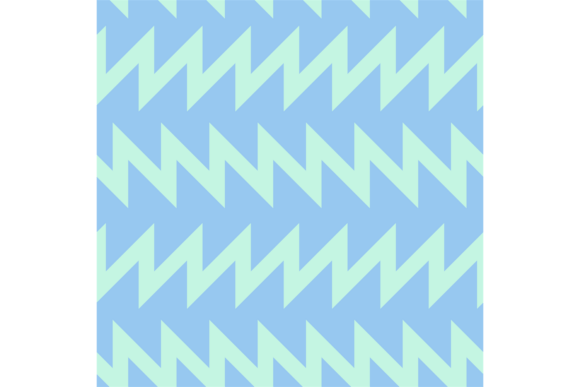
The pattern carries a mood that is equal parts structured and calm. It isn't overly playful or juvenile, and it doesn't try to scream for attention with loud contrasts. Instead, the blue tones and tile-like geometric repeat suggest something more thoughtful. If you design for customers who appreciate minimalist home décor, modern stationery, or subtle textile-inspired accents, this style will probably resonate with them. It feels elegant without being formal, and decorative without being cluttered. The visual rhythm makes it easy to imagine on products where a buyer wants a premium, handmade item that still feels fresh and contemporary.
First Impression of a Blue Tile Pattern That Works for Modern Handmade Products
My first instinct was to visualize this pattern on a set of fabric-look tote bags and maybe a few ceramic mug designs. What struck me is how the repeating tile layout creates a sense of movement without overwhelming the surface. The blue palette is cool and confident, and it lends itself beautifully to both masculine and feminine product lines. As a handmade seller, I look for assets that can adapt across multiple product categories, and this one immediately felt flexible. Whether you are a Cricut user designing iron-on vinyl projects or a Silhouette user cutting layered cardstock gift tags, the pattern holds its integrity without trapping you in a single aesthetic.
From a practical craft workflow perspective, the file arrived in a standard bundle of vector illustration EPS, JPG, and SVG formats. Having access to the SVG design right away is a major plus for anyone who works with cutting machines. I also appreciate a clean PNG design for quick mockup placement and sublimation testing. The digital product felt ready to use, not like something I would need to spend hours cleaning up before I could trust it on a customer order.
Testing the Pattern on Real Cricut and Silhouette Projects
I loaded the SVG into my Cricut design software first. The lines came through clean, which is something I always check before committing to a full cut. Nothing frustrates a crafter more than jagged edges or overlapping nodes that send the blade into a tangled mess. This clipart-style pattern appeared well-optimized, and the tile repeat was smooth enough to scale up or down depending on the product. I ran a test cut on permanent vinyl for a tumbler wrap and a separate test on heat transfer vinyl for a small tote bag. Both held up nicely, with sharp definition on the geometric shapes.
For Silhouette users, the same SVG opened without issues, and the registration marks aligned properly for a print-and-cut sticker design. I created a sheet of decorative planner stickers and a coordinating set of gift tags. The pattern functioned well as a background fill, and the blue textile decorative tile element gave the stickers a layered, intentional look. However, I did notice that at very small sizes, some of the thinner connecting lines became delicate. If you plan to use this illustration for tiny sticker designs or intricate card details, you may want to test the cut settings carefully and consider thickening the strokes slightly before sending it to the machine.
Where the Geometric Fabric Pattern Excels in Handmade Business
In my experience, this asset shines brightest on larger cut files, printable layouts, and products where the pattern can breathe. Think tote bags, cushion covers, fabric-look wall art, and full-wrap tumbler designs. The repeat is generous enough to cover a decent surface area without looking like a rushed copy-paste job. For sublimation design, the JPG and PNG files provided high enough resolution to produce crisp transfers on mugs and ceramic tiles. I tested a mug mockup and a tumbler wrap mockup, and the blue tile pattern translated beautifully into a vibrant, durable-looking print.
It also works well for handmade packaging and small business branding. I used the pattern as a subtle background on thank-you cards and price tags for a seasonal collection. Paired with a clean sans serif font, the design felt professional and cohesive. If you are an Etsy seller or a craft fair regular, incorporating a consistent design asset like this into your packaging can elevate your brand perception without a huge investment. The geometric fabric pattern makes your shop look intentional, as if every detail was part of a larger design plan.
When to Use Caution with This Blue Textile Illustration
No design asset is perfect for every scenario, and this one demands a bit of thoughtful placement. The pattern includes some fine linework and tight geometric intersections. When I tested it on a small sticker sheet layout, the thinnest sections nearly disappeared under the cutting blade. If you produce layered vinyl projects, you may find yourself manually adjusting the cut lines to avoid overly fragile pieces. The same applies to low-contrast color applications. The blue tones, while beautiful on white or light gray surfaces, can lose definition on darker backgrounds unless you modify the palette or add a contrasting outline.
Another consideration is crowded compositions. If you try to layer this pattern over busy clipart or combine it with multiple other design elements, the visual weight can become heavy. The tile layout is decorative by nature, so it often works better as a standalone statement or a supporting background rather than a competing element. For customer orders where clean readable shapes are essential, I recommend simplifying the surrounding layout and letting the pattern do the heavy lifting.
Practical Crafter Notes Before You Sell Finished Products
Over the years, I have learned to test every new graphic design asset before I offer it to a paying customer. This one is no exception. Here are the steps I follow, and I recommend you do the same with the Geometric Fabric Pattern. Blue Textile D:
- Test the SVG lines immediately. Open the file in your cutting software and check for open paths, overlapping nodes, and awkward anchors. A clean SVG saves hours of frustration.
- Preview PNG transparency. For sublimation and printable designs, confirm that the background is truly transparent and that no white artifacts surround the edges.
- Check resolution for sublimation. The JPG and PNG should be at least 300 DPI at the size you intend to print. Resize cautiously and avoid stretching the pattern beyond its native resolution.
- Test colors before printing. Blue shades can shift dramatically between screen and printer. Run a small sample on your printer or heat press to confirm the color matches your expectations.
- View it on white and dark products. The pattern reads differently on a white mug versus a black tote. Use product mockups to see how it behaves in real-world contexts.
- Resize for different products. The pattern may need scaling for a large tote bag versus a small gift tag. Keep the proportions balanced so the geometry doesn't distort.
- Simplify if needed. For intricate cuts, consider removing the thinnest elements or combining them into a bolder silhouette.
- Pair fonts thoughtfully. This pattern pairs beautifully with a clean sans serif font, an elegant script font, or a modern handwritten font. A serif font can add a more traditional textile feel, while a display font creates a bold statement.
- Confirm commercial licensing. Before using this asset for customer orders or in your handmade business, verify that the commercial license covers your intended use. Most marketplaces sell assets with standard or extended licenses, and the distinction matters for Etsy products, creative marketplace listings, and print-on-demand work.
Scaling the Pattern for Seasonal Collections and Design Bundles
One of the smartest ways to use a design asset like this is to build a small design bundle around it. I combined the blue geometric fabric pattern with a few coordinating solid textures and a simple floral illustration to create a mini collection for spring gift products. The pattern acted as the anchor, and the other elements played supporting roles. This approach saves time and gives your shop a cohesive look without requiring you to design everything from scratch.
For seasonal craft bundles, the blue tile pattern can easily shift into winter, nautical, or modern holiday themes depending on the color palette you pair it with. I tested a mockup with icy silver accents and a script font, and the result felt like a high-end holiday gift line. The versatility of a geometric fabric pattern is that it doesn't lock you into a specific season. It can be festive, cozy, minimal, or bold, all depending on how you style it.
Why This Asset Makes Sense for Etsy Sellers and Small Creative Businesses
Running a handmade business means every minute counts. You need design assets that are not only beautiful but also reliable and adaptable. The Geometric Fabric Pattern. Blue Textile D checks those boxes. It arrives ready to use, it works across multiple product categories, and it brings a premium, textile-inspired quality that customers tend to associate with craftsmanship and care. Whether you are creating a line of sublimation mugs, printable wall art, sticker sheets, or custom tumbler wraps, this pattern holds its own as a versatile foundation.
I also appreciate that it fits into the broader category of Graphics and Illustrations without feeling generic. The blue textile decorative tile concept is distinct enough to set your products apart but familiar enough that buyers instantly understand the aesthetic. For print-on-demand sellers, this means fewer customer questions and more confident purchases. For craft fair vendors, it means a product that looks polished and intentional on the table.
Final Thoughts from a Maker's Perspective
After running this pattern through a full week of testing, from Cricut cuts to sublimation presses, I can say it has earned a permanent spot in my digital asset library. It is not a one-trick design. It adapts to mugs, tote bags, gift tags, planner stickers, thank-you cards, and even large wall art prints. The clean vector lines and versatile blue palette make it a reliable choice for handmade sellers who need consistent results under tight deadlines.
If you are on the fence, I recommend starting with a small project like a set of party favors or a few test tumblers. See how the pattern behaves with your equipment and how your audience reacts. In my experience, the Geometric Fabric Pattern. Blue Textile D tends to attract customers who appreciate modern, understated design. That is a loyal and growing market, and having a dependable pattern like this in your creative toolkit makes serving them much easier.