Heart Shaped Circular Borders Frames: A Designer’s Honest Review
First Look: Clean Romantic Charm
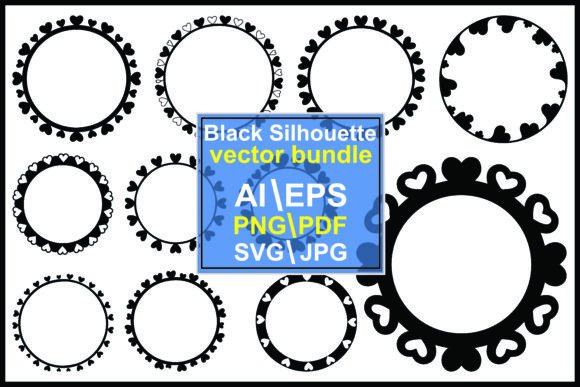
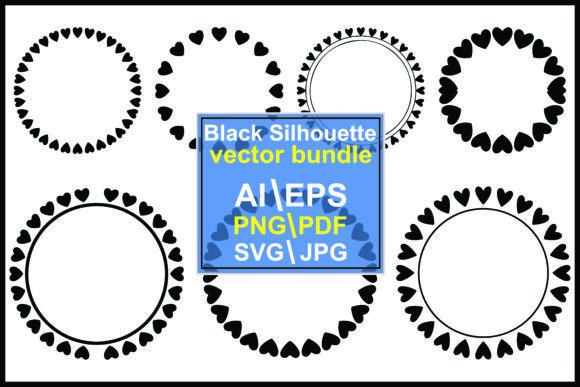
When I first opened Heart Shaped Circular Borders Frames, I immediately felt a sense of quiet, polished romance. The collection is centered on black-and-white linework — heart shapes arranged into circular frames and decorative borders. It’s not fussy or overly ornate. Instead, the mood is simple, clean, and intentional. The repetition of heart motifs inside a circular layout gives it a rhythmic, almost meditative quality. As a designer who works with embroidery every day, I could instantly picture these borders stitched onto a natural linen tote bag, a crisp cotton tea towel, or even the corner of a baby’s onesie. The visual personality is gentle yet confident, which makes it surprisingly versatile. It doesn’t scream “holiday only” — it could easily live on a wedding gift, a boutique pillow cover, or an everyday sweatshirt with a soft, handmade feel.
Because the product is listed under Illustrations and Graphics, I knew right away this is a design asset, not a ready-to-stitch embroidery file. That means you’ll need to digitize it yourself or work with a digitizer. The clean black lines and white background make the artwork easy to trace, which is a huge time-saver. The clarity of the shapes also helps when you’re testing stitch density and thread path. I appreciate that kind of simplicity — it leaves room for creative interpretation without overwhelming the actual embroidery process.
A Real-World Test: Bridal Shower Tote Bags
To give you a concrete sense of how this design performs, let me walk through a recent project. I was preparing a batch of ten custom tote bags for a bridal shower. The client wanted something delicate, love-themed, but not too sweet. After browsing through dozens of motifs, I landed on Heart Shaped Circular Borders Frames. I chose one of the medium-sized circular frames and placed it off-center on the front of a natural cotton canvas tote. The black thread against the beige fabric gave it a charming, almost vintage stamp effect. I used a combination of running stitch for the inner heart outlines and a slightly wider satin stitch for the outer border. The result was crisp, lightweight, and soft to the touch — exactly what I’d want for a bag that will be used daily.
When I sent the first sample photo to the client, she replied within minutes: “That’s the exact feeling I wanted.” That reaction told me the design had translated well from screen to stitch. The circular frame naturally draws the eye inward, giving the bag a focal point without competing with other elements. The hearts are recognizable but not childish, which is a tricky balance to nail. I’ve since used the same set on matching aprons and a few pocket flaps, and each time the feedback has been overwhelmingly positive.
Stitching This Design: What to Expect
If you’re thinking about using Heart Shaped Circular Borders Frames in your own machine embroidery design work, here’s where the real-world details matter. Since the original graphic is black and white, your first decision is thread color. Black thread on light fabric is a no-brainer, but on dark fabrics you’ll need to invert the design or choose a contrasting thread. I’ve also tested it with soft gold and muted rose thread, and the results feel entirely different while still keeping the frame’s integrity. That flexibility is a big plus for custom apparel and personalized gifts.
Stitch density is another key factor. The circular frames feature thin lines and small heart details, so you’ll want to avoid overly dense satin stitches that could pucker lightweight fabric. I recommend a medium-weight cutaway stabilizer for stable wovens and a no-show mesh stabilizer for knits. On a test run, I found that a running stitch for the inner hearts preserved the delicate look, while a satin stitch on the outer border added just enough presence without becoming heavy. Always test on scrap fabric first — that’s my golden rule, especially with designs that have fine repeating elements.
Where It Shines and Where to Be Careful
Heart Shaped Circular Borders Frames truly shines on flat, medium-weight fabrics like cotton canvas, linen, denim, and quilting cotton. The design’s repetitive pattern and clean lines make it ideal for embroidered patches, tote bag designs, pillow covers, and tea towels. I’ve also seen it work beautifully on the chest area of a simple sweatshirt, where the circular shape nestles comfortably without distorting. For baby embroidery, the gentle heart motif feels instantly appropriate on a onesie or a small blanket, provided you’re mindful of fabric softness and stitch coverage.
However, there are a few scenarios where you’ll want to be extra cautious. Small hoop sizes can be a limitation — if the frame is too tiny, the inner heart details may blur or lose definition. I’d avoid using this on highly textured fabrics like terry cloth or stretchy performance knits unless you’re prepared to do significant test stitching. Curved surfaces like caps or baseball hat fronts can be tricky because the circular shape might warp around the seam. I’d also skip very lightweight chiffon or silk unless you’re confident in your stabilizer setup. And if you’re planning to add tiny lettering inside the frame, do a test first — the space is limited, and small text could become illegible after stitching.
The Impact on Handmade Products
From a business perspective, using Heart Shaped Circular Borders Frames can genuinely elevate handmade product presentation. The clean black lines give a professional, finished look that customers associate with quality. I’ve noticed that when I use a well-defined border like this, buyers perceive the item as more intentional, more giftable, and often more willing to pay a higher price. It’s a subtle psychological cue — the frame signals that someone put thought into the composition, not just slapped a single motif in the center.
For Etsy sellers and small shop products, this kind of design also photographs beautifully. The contrast reads well in listing photos, even in thumbnails, and it works equally well in printable mockups. I’ve used the black-and-white version as a placeholder in customer previews, and the response has been consistently warm. The heart motif taps into a universal emotion, making it a safe yet effective choice for holiday embroidery, wedding gifts, and everyday romantic items. It also helps build brand consistency — if you use a recognizable frame style across your product line, customers start to associate that clean border with your shop’s aesthetic.
Designer Notes Before You Begin
I always keep a mental checklist before I commit to a design asset like this one. Here are the practical points I recommend you run through, whether you’re a seasoned digitizer or a craft business owner testing a new look:
- Confirm the graphic’s resolution and format. Since it’s an illustration, make sure you have a high-resolution file that can be scaled without losing detail. If you need to convert to vector, do it before digitizing.
- Test on scrap fabric first. Never assume the first stitch-out will be perfect. Check tension, thread breakage, and how the fabric holds up around the fine details.
- Review stitch density. The black lines may look thin on screen, but in embroidery, a 1.5mm satin stitch can feel chunkier. Adjust accordingly.
- Check hoop size. Measure the widest point of the circular frame and make sure your hoop can accommodate it with at least a half-inch margin for stability.
- Inspect small details. The little heart repeats are charming, but if they’re too small, they might turn into a single blob. Run a test in black and white thread to see how they read.
- Compare light and dark fabric backgrounds. The design is black-heavy, so on dark fabric you’ll need to invert colors or use a bold thread. Test both for contrast.
- Use proper stabilizer. A design with many small elements needs a stable base. I prefer cutaway for garments and tear-away for flat items, but always match the stabilizer to your fabric.
- Check licensing for commercial use. Since this is a graphics product, confirm that the license allows you to use it on finished products you sell. If you plan to sell the digitized embroidery file itself, double-check the terms — many illustration licenses restrict that.
- Digitize thoughtfully. The beauty of this design is in its rhythm. Map your stitch path so the machine doesn’t jump unnecessarily, and use trims to keep the back clean.
I’ve also found it helpful to create a quick black-and-white mockup of the finished product before stitching. This tells me if the embroidery file will feel balanced or if the frame overpowers the item. For commercial embroidery projects, that step saves a lot of time and thread.
Final Thoughts From the Stitching Table
After using Heart Shaped Circular Borders Frames across several real projects — tote bags, aprons, a couple of baby blankets, and even a set of linen napkins — I can say it’s earned a permanent spot in my digital library. The design’s simplicity is its greatest strength. It doesn’t try to do too much, and that’s exactly why it works so well in machine embroidery. It leaves room for the fabric texture, the thread sheen, and the maker’s own touch to shine. Whether you’re a craft business owner looking to add a romantic edge to your line or a hobbyist stitching a one-of-a-kind gift, this collection of circular heart borders is a genuinely useful, visually pleasing asset. Just remember to test, digitize with care, and let the clean lines do the talking. Your customers will feel the love — and that’s the whole point.