Luxury Ornamental Elements: Graphics & Illustrations
As a blog designer who’s shipped over 300 editorial redesigns—and published daily on lifestyle, wellness, and creative entrepreneurship sites—I opened Luxury Ornamental Elements Collection expecting elegance. What I got was something sharper: a tightly curated set of black-on-white ornamental graphics that immediately elevated my visual hierarchy without sacrificing clarity or loading speed.
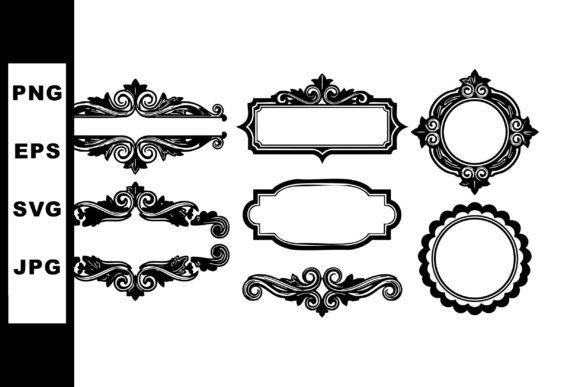
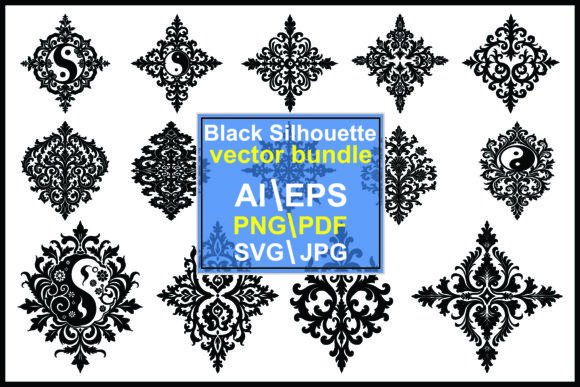
This isn’t decorative clutter. It’s editorial intention made visible. Each element—filigree scrolls, Baroque flourishes, symmetrical mandalas, delicate snowflakes, balanced yin-yang motifs, and refined damask repeats—carries the quiet authority of vintage craftsmanship, yet feels digitally precise and web-ready. The mood is refined, intentional, and quietly confident: feminine without being saccharine, artistic without feeling abstract, luxurious without leaning into cliché. It suits niches where tone matters deeply—think mindful living blogs, premium digital course creators, boutique affiliate review sites, artisanal small business branding, and editorial newsletters focused on design, wellness, or slow living.
Where This Graphic Design Asset Earns Its Place in Real Publishing Workflows
I tested Luxury Ornamental Elements Collection across six live publishing scenarios—and every time, it strengthened reader trust and click-through potential:
- Blog featured images: Layered subtly behind serif headlines, these elements add depth without competing. A single scrollwork flourish in the top-right corner signals quality before the first word is read.
- Pinterest pins: Used as clean framing borders (not centerpieces), they boost visual recognition in crowded feeds—especially for digital guides and printable design resources.
- Newsletter headers: Paired with a short, bold headline in a display font, one centered mandala or yin-yang motif creates instant category recognition for recurring content series.
- Downloadable resources: Applied to lead magnets like worksheets or digital guides, they transform functional PDFs into branded, tactile-feeling assets—even when viewed on screen.
- Category thumbnails: A consistent filigree accent across “Resources,” “Courses,” and “Printables” sections builds visual cohesion across your website navigation.
- Canva templates: These graphics scale cleanly, convert well to PNG/SVG, and integrate smoothly into editable social media graphics or eBook cover mockups—no pixelation, no licensing friction.
Why Reader Trust Rises When You Use This Collection Thoughtfully
Readers don’t just scan content—they scan signals. A polished graphic design asset like Luxury Ornamental Elements Collection tells them, without words: This site invests in craft. This creator values detail. This resource is worth saving.
In practice, that translates to higher engagement metrics: longer dwell time on content pages, improved email open rates when newsletter banners use the same ornamental rhythm, and stronger conversion on content upgrades. Why? Because visual consistency builds brand identity faster than any tagline. When your Pinterest pin, blog header, and downloadable worksheet all share the same flourish language, readers subconsciously register continuity—and continuity breeds credibility.
Best Places to Deploy These Illustrations (and Where to Pause)
Works brilliantly in:
- Hero images with ample negative space
- Article thumbnails (especially for evergreen, aesthetic-driven topics)
- Pinterest pins sized 1000×1500px or larger
- Editorial accents—like section dividers or pull-quote borders
- Content upgrades designed as digital products or printable design assets
- Social media previews where visual distinction matters (e.g., LinkedIn article carousels or Instagram story highlights)
Use carefully in:
- Mobile-first thumbnails under 300px wide—the fine scrollwork may blur or vanish
- Text-dense blog graphics where contrast could compromise readability
- Backgrounds behind body copy unless fully desaturated or masked with opacity
- Serious professional niches (e.g., legal, finance, B2B SaaS) unless used minimally and monochromatically
- Websites built on ultra-minimalist design systems—this collection leans into ornament, not absence
Practical Publisher Notes You’ll Wish You Had Earlier
Before dropping Luxury Ornamental Elements Collection into production, run these checks:
- Preview each graphic at 100%, 50%, and thumbnail size—on both desktop and iOS/Android devices.
- Test placement beside your actual headline fonts: Does a script font feel harmonious with the Baroque scrollwork? Does a strong sans-serif create intentional contrast?
- Check contrast ratios—especially if layering over subtle gradients or light-colored backgrounds.
- Convert one file to grayscale: Does the pattern retain its structure? (Spoiler: Most do—thanks to high-contrast black-on-white sourcing.)
- Verify commercial license terms—yes, this is essential for affiliate marketing visuals, monetized newsletters, and digital product covers.
- Compress final PNGs via Squoosh or ShortPixel—these are vector-friendly illustrations, but raster exports still need optimization for web performance.
- Drop a sample into your live blog layout (not just Figma). See how it breathes—or crowds—your existing spacing system.
What makes Luxury Ornamental Elements Collection stand out in today’s oversaturated creative marketplace isn’t just its aesthetic—it’s its editorial utility. These aren’t clipart throwaways. They’re precision-crafted design assets built for real content marketing workflows: supporting visual hierarchy, reinforcing brand identity, and turning functional content into memorable experiences. Whether you’re designing a digital guide for yoga teachers, an affiliate roundup for luxury stationery, or a Canva template bundle for small business branding—this collection delivers polish without pretension.
If your goal is content that looks intentionally crafted—not just assembled—Luxury Ornamental Elements Collection earns its place in your core toolkit of graphics and illustrations. Not as decoration. As design strategy.