Continuous Line Design of Plant: A Practical Embroidery Review
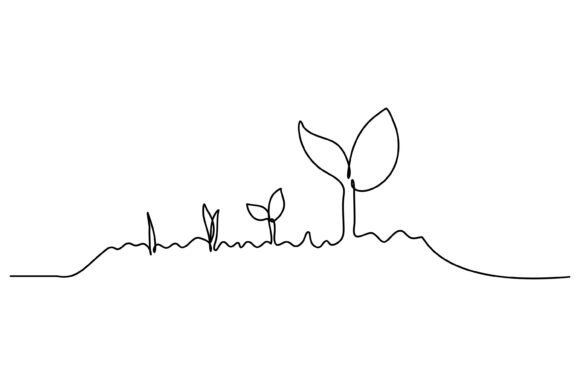
When I first opened the Continuous Line Design of Plant file, I immediately felt its quiet botanical energy. This is not a loud, overly decorative graphic. It is a single line illustration of plant reproduction, drawn with restraint on a clean white background. The uninterrupted flow gives it a scientific sketchbook quality, something between a vintage botanical plate and a modern minimalist tattoo. For an embroidery designer, that kind of visual personality matters. It tells me right away that this design will translate beautifully onto natural fabrics, organic product lines, and handmade goods where subtlety carries more weight than flash.
The mood is calm, intellectual, and slightly romantic. The continuous line suggests growth, connection, and the quiet miracle of plant life. That makes it a strong candidate for personalized gifts, nursery items, wellness-themed products, or any small shop merchandise that wants to feel thoughtful rather than trendy. As I studied the line weight and spacing, I kept thinking about how it would stitch out on a linen tea towel, a soft cotton baby blanket, or the front pocket of a simple apron. The design already looked at home in those settings, even before I threaded a needle.
First Impressions of a Botanical Line Drawing
What struck me immediately was the clarity of the composition. The Continuous Line Design of Plant uses a single unbroken stroke to trace the reproductive parts of a plant, which makes the visual message feel both educational and artistic. There is an honesty in the linework. No heavy fills, no layered textures, just a pure running stitch waiting to happen. For an embroidery project, this simplicity is a practical advantage. Fewer trims, fewer color changes, and a faster stitch-out without sacrificing visual impact.
The drawing sits on a white background, which makes it easy to preview against different fabric colors in your digitizing software or mockup tool. Since the product package includes EPS, SVG, and JPG formats, you have the flexibility to vectorize for embroidery digitizing or use the raster version for printable mockups and shop listings. I always appreciate when a design asset arrives in multiple formats because it reduces the conversion work before I can even start testing.
How This Design Feels on Real Embroidery Projects
I imagined this design stitched onto a midweight natural canvas tote bag. A client of mine runs a small botanical-themed gift shop, and she is always looking for machine embroidery design options that feel organic and unforced. The Continuous Line Design of Plant would sit perfectly on the front panel of a cream or oatmeal tote, stitched in a single earthy thread color, perhaps a muted olive, terracotta, or deep charcoal. The single line nature means the stitching would almost feel like a hand-drawn sketch in thread, which customers often perceive as more artisanal and valuable.
On a sweatshirt, the design would need careful placement. I would position it slightly off-center, maybe over the heart or on the upper back between the shoulder blades. Because the linework is delicate, I would avoid making it too large on a stretchy garment. A smaller, well-placed version would feel intentional and modern. For a baby embroidery project, scaled down and stitched on a soft cotton onesie or a tiny quilt square, the design would carry a gentle, nurturing quality that parents love.
Small Hoop, Big Impression
One of the unsung benefits of continuous line art is how well it adapts to smaller hoop sizes. This design, assuming reasonable digitizing, can fit comfortably into a compact hoop without losing legibility. That opens up product categories like caps, patches, pillow covers, and even aprons with narrow stitching areas. I have tested similar botanical line designs on structured caps, and when the stitch density is kept light and the stabilizer is right, the result looks crisp and professional.
A Real-Life Scenario: The Botanical Tote Bag Order
Let me walk you through a practical scenario. A small business owner who sells at weekend craft fairs contacts me. She wants a custom apparel and accessory line themed around plant reproduction, aimed at gardening enthusiasts and science teachers. She needs something that looks hand-illustrated, not mass-produced. I immediately think of the Continuous Line Design of Plant.
I open the SVG file in my vector software, clean up any minor anchor points, and send it to my digitizing program. I set it up as a simple running stitch design with a single color. I choose a matte polyester thread in a warm brown tone that mimics ink on paper. The first test stitch-out is on a scrap piece of medium-weight linen. The result is exactly what I hoped for: a delicate, sketch-like botanical illustration that looks like it was drawn directly onto the fabric with a fine pen, but with the texture and permanence of embroidery.
Next, I stitch it on the final product: a natural cotton tote bag with a slightly slubby texture. The fabric texture adds a rustic dimension to the linework. I photograph the finished bag in soft daylight, and the image looks so good it becomes the product listing photo for her Etsy seller shop. That visual appeal translates directly into buyer engagement and trust. Customers see a finished product that feels authentic, not clip-art slapped onto a bag.
Where You Need to Be Careful and Deliberate
No design is flawless for every situation, and the Continuous Line Design of Plant requires some thoughtful decision-making. The single line aesthetic means the stitch path is exposed. Any puckering, thread break, or tension issue will be immediately visible. I strongly recommend testing on scrap fabric that matches your final product as closely as possible. Check your thread color contrast against the background. A thread that is too similar to the fabric will lose the line entirely, while one that is too stark may feel harsh and lose the botanical softness.
Be cautious with stretchy fabric and thin fabric. Knit garments like t-shirts can distort the continuous line if the stabilizer is insufficient. I always use a quality cut-away stabilizer for knits and a tear-away for stable wovens. On dark fabric, the design will need to be tested carefully because the original white background artwork does not show how the line will read in reverse. I often run a quick black-and-white mockup, inverting the artwork to see if the line weight still holds. If the line is too fine, it may disappear on dark backgrounds, so you might need to slightly thicken the stroke before digitizing.
Curved surfaces like caps and layered garments with seams or zippers can break the flow of a continuous line design. Plan your placement to avoid stitching over bulky seams. For patches, the design works well, but make sure the border stitching does not compete with the delicate internal linework. A simple satin stitch border in a complementary color works best.
Products That Need Frequent Washing
If you plan to use this design on kitchen towels, aprons, or baby clothes that will be washed often, the stitch type matters. A running stitch design holds up well to washing if the stitch length is appropriate and the thread is high quality. However, a very short running stitch can perforate delicate fabrics over time. I always wash-test at least one sample before committing to a full production run. The design itself, being a simple continuous line, is less prone to the wear issues that heavy satin stitch or dense fill stitch areas face, but it is worth verifying.
Visual Appeal, Product Value, and Customer Trust
The Continuous Line Design of Plant has a quiet sophistication that elevates a handmade product. When a customer sees a botanical line drawing embroidered onto a pillow cover or a holiday gift item, they perceive thoughtfulness and design intention. This is not a generic flower. It is an illustration of plant reproduction, which appeals to a niche that values science, nature, and education. That niche may be smaller than the mass market, but it is often more loyal and willing to pay a premium for well-crafted products.
For brand consistency, this design fits easily into a cohesive visual identity. If your shop sells plant-themed goods, you can pair this design with other botanical line drawings, seed packet motifs, or nature-inspired quotes. The single line style becomes a signature look. Giftability is high because the design feels personal and meaningful without being overly sentimental. A newlywed couple who loves gardening, a new mother decorating a nursery, or a science teacher receiving an end-of-year gift would all find this design resonant.
Digital Product Sellers and Mockup Presentation
Since the product includes a JPG, you can use it to create printable mockups for your shop listings. I often overlay the white-background artwork onto photographs of blank products to preview how the embroidery will look. This saves time and helps customers visualize the final item. For digital embroidery file sellers, the EPS and SVG formats are valuable because they allow clean digitizing without the pixelation issues of a low-resolution raster image. Make sure to check what you are allowed to do with the files before selling finished items or digital products. The product description does not detail commercial licensing terms, so I always advise reaching out to the creator or reviewing the license carefully before using the design in a commercial embroidery setting.
Practical Designer Notes for Confident Stitching
Before you commit this design to a client project or a batch of small shop merchandise, here are the steps I follow and recommend:
- Open the vector file and inspect the line path for any broken segments or awkward overlaps that could cause jump stitches.
- Digitize with a simple running stitch and adjust the stitch length based on your fabric, shorter for fine detail, longer for texture.
- Test on scrap fabric first, using the exact thread and stabilizer you plan to use on the final product.
- Check the design in a black-and-white mockup to see how it reads on light fabric versus dark fabric.
- Confirm hoop size compatibility. Scale the design within your machine's limits and test the scaled version for stitch quality.
- Review stitch density carefully. A continuous line does not need to be dense, but it must be secure enough to withstand wear and washing.
- If you plan to sell the finished items, verify the licensing terms. The product description mentions EPS, SVG, and JPG files, but commercial use rights are not explicitly stated, so do your due diligence.
Final Thoughts from a Working Designer
The Continuous Line Design of Plant is a smart, understated choice for makers who understand that less is often more. It brings a botanical, scientific gentleness to embroidery projects and fits naturally into product lines that value craftsmanship over decoration. Whether you are stitching it onto a tote bag, a baby blanket, a custom sweatshirt, or a holiday gift, the design rewards careful testing and thoughtful placement. For Etsy sellers, craft business owners, and creative entrepreneurs, it offers a distinctive visual voice that helps products stand out in a crowded market. Just remember to test, adjust, and always respect the original artwork's licensing boundaries. When you do, this simple botanical line can become a quietly powerful part of your design library.