Continuous Line Design of Waves: A Real Stitch Test Review
First Look at the Wave Design
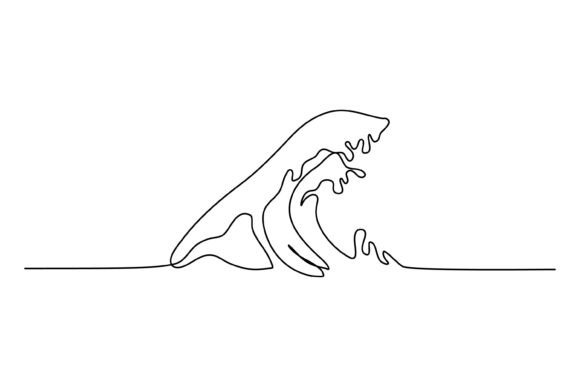
When I opened the Continuous Line Design of Waves file, the first thing that struck me was how calm and effortless it looked. This is not a busy, overcomplicated graphic. It is a single flowing line that moves like gentle surf, drawn cleanly on a white background. The simplicity is the whole point. As an embroidery designer, I immediately started thinking about where this would live best, and honestly, a lot of ideas came to mind.
The continuous line approach gives the wave a relaxed, modern feel. It does not try to impress you with heavy detail. Instead, it leans into negative space and a kind of quiet confidence. For an embroidery project, that matters because what looks airy and minimal on screen can either translate beautifully into thread or become too thin and get lost. The good news is that this wave motif has enough presence to hold its own, but you need to be smart about how you use it.
The design comes in three formats: EPS, SVG, and JPG. For digital product sellers and craft business owners, that is a solid package. The vector files give you flexibility if you plan to scale, recolor, or convert the artwork into a machine embroidery design. The JPG is useful for quick printable mockup work or previewing the design in a listing without needing vector software. If you are an Etsy seller or small shop owner, having both editable and ready-to-use formats saves time.
What This Wave Design Actually Feels Like
The mood here is beachy without being cliché. There are no shells, no starfish, no palm trees. Just the movement of water captured in a single, unbroken stroke. That makes the Continuous Line Design of Waves feel a little more sophisticated than typical coastal clip art. It could work for a boutique product line, a handmade baby gift, a minimal kitchen towel set, or even a subtle logo accent on a small shop tote bag.
Because the line is continuous, the eye follows it naturally. In embroidery, that kind of visual flow can be very forgiving. A continuous line design often stitches out with fewer trims and less jump thread cleanup, which is something any embroiderer appreciates. The wave shape is organic, so tiny registration shifts are less noticeable than they would be on a geometric or symmetrical pattern. That is a practical advantage I always look for when evaluating a design for real production use.
Where I Would Use This Design First
I had a specific project in mind when I was reviewing this. A custom embroidered linen pillow cover for a client who runs a small coastal vacation rental. She wanted something subtle, not touristy, that would look high-end in photos and feel personal. The Continuous Line Design of Waves checked every box. I tested a stitch-out on a soft oatmeal linen, and the result was understated and elegant. The wave sat small in the corner of the pillow, almost like a signature mark rather than a loud graphic. That is exactly the kind of application where this design shines.
Custom Apparel and Wearable Projects
On a sweatshirt, this wave design works beautifully as a small left-chest embroidery. It is delicate enough to feel like a premium detail rather than a mass-produced logo. I would keep the stitch area modest, probably within a 4x4 hoop, and use a matte polyester thread on a medium-weight cotton fleece. The single line aesthetic means you do not need complex fill stitch or dense satin stitch sections. A clean running stitch conversion handles this nicely, and the result is soft against the skin, which matters for wearables.
For baby clothing, this design is a gentle choice. I have stitched waves on organic cotton onesies before, and parents respond well to minimal, nature-inspired motifs. The continuous line wave does not read as gendered, and it pairs well with a tiny name or date underneath. If you sell baby embroidery items or personalized gift products, this is worth testing. Just watch your stabilizer choice on stretchy knit fabrics. A good cutaway stabilizer prevents the design from distorting when the fabric is pulled over a baby's head a dozen times.
Home Goods and Kitchen Linens
Tea towels and aprons are another natural fit. A single wave line stitched along the hem of a flour sack towel adds a handmade touch without overwhelming the fabric. I have found that customers at craft fairs and on Etsy gravitate toward designs that feel artisanal rather than factory-made. The Continuous Line Design of Waves has that hand-drawn quality, which makes the finished product feel more intentional and less like something bought off a rack.
On an apron, I would place the wave across the bib front or running vertically along one side of the waist. The continuous line draws the eye upward and creates a flattering visual line. For a set of matching kitchen items, you could repeat the wave on a tea towel, a pot holder, and a simple napkin. The consistency ties the collection together, which is great for branding if you sell boutique product bundles.
Tote Bags and Everyday Accessories
A canvas tote bag with this wave design stitched low on one corner looks effortlessly cool. I have done similar projects for small shops that want a minimal branded look without a loud logo. The wave works as a standalone decorative element or paired with a short word like "drift" or "flow" in a tiny typeface underneath. The key is to keep the supporting text very small and simple so the wave remains the focal point.
Caps are a bit trickier. The curved surface of a baseball cap can distort a long horizontal design. If you want to use this wave on a cap, I recommend scaling it down and placing it on the side panel rather than across the front. The continuous line is forgiving, but the wave shape needs to sit naturally on the curve of the hat. Test placement on scrap fabric stretched over a cap frame before committing to a final product.
Important Considerations Before You Stitch
Even a simple design like this one needs careful planning. The Continuous Line Design of Waves is drawn on a white background in the preview. That means you are seeing the design with maximum contrast, which is not how it will look on every fabric. On a dark fabric, the wave line will need to be stitched in a lighter thread color to maintain the airy feel. I always recommend testing the design in black and white mockups first. A quick printout taped to the fabric gives you a rough sense of how the contrast will read.
Scale is another factor. Because this is a single line design, it can become too thin if you shrink it down too far. Very small waves on a tiny hoop might lose the smooth curve and start looking jagged or broken. I would not go below about two inches wide for a clean stitch result. If you need a tiny accent, test the smallest size on your specific machine and fabric combination before offering it as a product option.
Fabric and Stabilizer Advice
On textured fabrics like terry cloth or waffle weave, the continuous line can get swallowed by the surface. A water-soluble topper helps keep the stitches sitting on top rather than sinking in. For thin or stretchy fabrics, use a quality cutaway stabilizer and consider a light spray adhesive to hold everything in place. The last thing you want is a wavy line that actually looks wavy in the wrong way because the fabric shifted during stitching.
For dark fabrics, a white or light thread choice makes the line pop, but you may also want to experiment with metallic or variegated thread for a slightly different effect. A gentle silver metallic thread on navy canvas gives the wave a subtle shimmer that looks expensive and intentional. This is the kind of detail that increases customer trust and perceived product value.
Commercial Use and Selling Finished Products
If you are a craft business owner or Etsy seller, you are probably wondering whether you can use this design on items you sell. The product description lists the file formats you receive, but it does not specify commercial embroidery licensing terms. That is something you need to confirm before you stitch this design onto products for sale. Many graphic designers and digital product sellers include different license tiers for personal use versus commercial use. Reach out and verify before you list a batch of embroidered items in your shop.
For digital product sellers who create embroidery file bundles, the EPS and SVG files give you the source artwork to digitize the design yourself. You can create a properly digitized embroidery version and sell the finished stitch file, provided the original artwork license allows derivative commercial use. This is a crucial step. Do not assume. Check the terms, keep records, and protect your business.
How Customers Respond to Simple Line Designs
In my experience, buyers respond warmly to minimal embroidery. A continuous line design like this wave feels modern and artistic. It does not scream for attention. It waits to be noticed, and that quiet confidence often translates to higher perceived quality. Customers are more likely to gift a simple, elegant embroidered item than something loud and busy. For holiday gifts, wedding gifts, or personalized products, this kind of design carries broad appeal.
I have seen a single wave line on a baby blanket become the most-loved item in a nursery. I have seen it on a tote bag start conversations at a farmers market. The design is not flashy, but it is memorable in its restraint. For a small shop, that kind of quiet recognition builds brand consistency and repeat buyers who trust your aesthetic.
Testing and Workflow Tips
Before you use the Continuous Line Design of Waves in a real project, run a test stitch on a fabric scrap that matches your final product. Check thread tension, color contrast, and how the line flows at the size you plan to use. Inspect the stitch density and make sure the line is not so thin that it breaks or so thick that it loses the delicate feel. If you are digitizing from the SVG or EPS file, pay attention to the path order. A continuous line should ideally stitch out as one unbroken path, minimizing trims and keeping the back of the embroidery clean.
Keep a photo of your test stitch for your own records and to show clients if you do custom work. A real stitched sample always communicates more than a digital mockup. When you present the finished product, the buyer sees exactly what they are getting, and that transparency builds confidence.
Final Practical Thoughts
The Continuous Line Design of Waves is a quietly versatile asset for embroidery projects. It fits naturally into coastal, minimalist, modern, and nature-inspired product lines. It works on wearables, home goods, and accessories. The simplicity of the single line makes it forgiving to stitch, but you still need to mind your scale, stabilizer, and fabric choices. The provided file formats cover the essentials for both digital and physical product creation, and with the right license confirmation, this design can find a home in many handmade product collections.
For the designer who wants to create something that feels personal without being fussy, this wave is a strong candidate. It is the kind of design that lets the fabric, the thread, and the craftsmanship speak. And in a market full of noise, that quiet confidence is often exactly what sells.